
Understanding Paracetamol: Exploring the Science and Use of the Most Common Pain Reliever - Pharmaceutical Insights
- Medilyx
- Jun 10, 2025
- 4 min read

Paracetamol, also known as acetaminophen in some areas, is among the most widely used medications around the globe. Used daily by millions, its ability to relieve pain and lower fever makes it a staple in many homes. Yet, despite its popularity, not everyone grasps how paracetamol functions or understands its generally safe profile. This article aims to clarify the science behind this commonly used pain reliever, detailing how it works, its various applications, potential side effects, and key factors to keep in mind.
The History of Paracetamol - Pharmaceutical Insights
Paracetamol was discovered in the late 19th century, with its origins dating back to 1878. However, it gained traction as a pain reliever primarily in the mid-20th century. Today, paracetamol is available in various forms, from over-the-counter medicines to prescription-only drugs. Its affordability and availability in different formulations—like tablets, syrup, or suppositories—have made it accessible for most people. For instance, in the U.S., paracetamol is present in nearly 600 different products.
How Paracetamol Works
While the exact mechanism of paracetamol remains partly unknown, it's a fascinating area of research in pharmacology. Studies indicate that paracetamol may influence the body's creation of prostaglandins—substances that relay pain signals and manage inflammation. Unlike non-steroidal anti-inflammatory drugs (NSAIDs), which also target inflammation, paracetamol mainly acts on the central nervous system.
Inhibition of Prostaglandin Synthesis
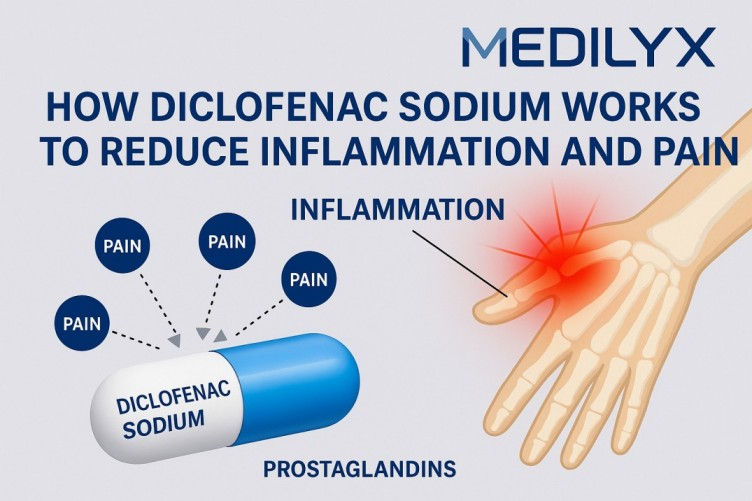
When tissues suffer injury or inflammation, they produce prostaglandins, which activate pain receptors. Paracetamol appears to inhibit the enzyme cyclooxygenase (COX). This enzyme is critical in converting arachidonic acid to prostaglandins. By lowering prostaglandin levels in the brain, paracetamol significantly reduces pain perception. Research from 2017 suggests that paracetamol can reduce pain levels by up to 50% in conditions like osteoarthritis.
Effects on the Endocannabinoid System
Emerging studies propose that paracetamol might enhance the endocannabinoid system's activity. This system plays a crucial role in how we process pain. Though findings remain inconclusive, this interaction may explain why paracetamol effectively alleviates pain.
Forms and Dosage
Paracetamol is available in various formulations to meet diverse needs. Common forms include:
Tablets: The standard adult dosage typically ranges from 500 mg to 1,000 mg every four to six hours, with a maximum daily intake generally not exceeding 4,000 mg.
Liquid Form: Pediatric formulations come in lower concentrations, aiding precise dosing.
Suppositories: These provide an alternative for those unable to take oral medication.
Sticking closely to the recommended dosages is vital. Parents should consult healthcare professionals when determining the appropriate paracetamol dose for children.
The Safety Profile of Paracetamol
One reason paracetamol is widely favored is its solid safety profile. When taken as directed, it is generally safe for most people, including pregnant women. However, misuse and overconsumption can have severe consequences.
Liver Toxicity
Paracetamol metabolism primarily occurs in the liver. An overdose may overwhelm the liver’s capability to process the drug, causing toxic metabolites to accumulate. This could lead to acute liver failure, which is a medical emergency. Early signs of overdose include symptoms like nausea, vomiting, and abdominal pain. According to the CDC, paracetamol is responsible for approximately 56,000 emergency visits in the U.S. each year due to overdose.
Potential Side Effects
Although paracetamol is generally well tolerated, some individuals may experience side effects, including:
Allergic Reactions: Symptoms like rashes, itching, and swelling can occur in sensitive individuals.
Gastrointestinal Disturbances: While rare, some may experience nausea or stomach discomfort.
Kidney Damage: There is evidence suggesting that long-term use of high doses may risk kidney damage, especially in people with pre-existing kidney issues.
Paracetamol Versus Other Pain Relievers
Though paracetamol is often a go-to for pain relief, it isn't the only option available. It can be compared against other analgesics, such as NSAIDs and opioids.
Non-Steroidal Anti-Inflammatory Drugs (NSAIDs)
NSAIDs like ibuprofen and aspirin relieve pain and inflammation. They are effective for conditions such as arthritis or sports injuries. However, long-term use can result in gastrointestinal complications. For example, patients taking NSAIDs long-term have a 4 to 5 times increased risk for gastrointestinal ulcers compared to those using paracetamol.
Opiates
Opiates, such as morphine, are powerful pain relievers suited for severe pain following surgery or chronic illness. However, their addictive potential makes them less desirable for regular pain management compared to paracetamol.
Special Considerations
For Pregnant Women
Paracetamol is often deemed one of the safest painkillers during pregnancy, typically used for relieving mild to moderate pain. Pregnant women should always seek medical advice before taking any medication.
For Older Adults
Older adults may have heightened sensitivity to drugs and their side effects. While paracetamol is safer than many alternatives, following recommended dosages and observing for any adverse effects, especially when taking multiple medications, is essential.
The Environmental Impact of Paracetamol
Like many pharmaceuticals, paracetamol can harm aquatic ecosystems when it enters water bodies through human waste or improper disposal. Ongoing research seeks to uncover its long-term environmental effects and strategies to mitigate potential harm.
Final Thoughts
Paracetamol stands out as one of the most commonly used medications globally, thanks to its efficacy, safety, and accessibility. Understanding how it works, its various forms, potential side effects, and special considerations is vital for its safe and effective use. As always, stick to recommended dosages and consult healthcare professionals as needed.
Continued research will help deepen our understanding of paracetamol, ensuring it remains a reliable option for pain management in the years ahead.

Comments