
Understanding How Diclofenac Sodium Mitigates Inflammation and Alleviates Pain
- Medilyx
- May 7, 2025
- 4 min read

Inflammation and pain can disrupt daily life, making even simple tasks feel challenging. Many medications target these issues, but one that stands out is diclofenac sodium. This widely prescribed non-steroidal anti-inflammatory drug (NSAID) is recognized for its ability to alleviate pain and reduce inflammation. Learning how diclofenac sodium operates and its benefits can empower individuals to manage their discomfort more effectively.
What is Diclofenac Sodium?
Diclofenac sodium is a commonly prescribed NSAID used for various pain conditions, including arthritis, menstrual cramps, and pain following surgery. It comes in multiple forms, including oral tablets, topical gels, and injectables, allowing flexibility based on individual needs. In fact, a recent survey found that 70% of patients prefer topical NSAIDs like diclofenac due to their localized effect and reduced systemic side effects.
How Does Diclofenac Sodium Work?
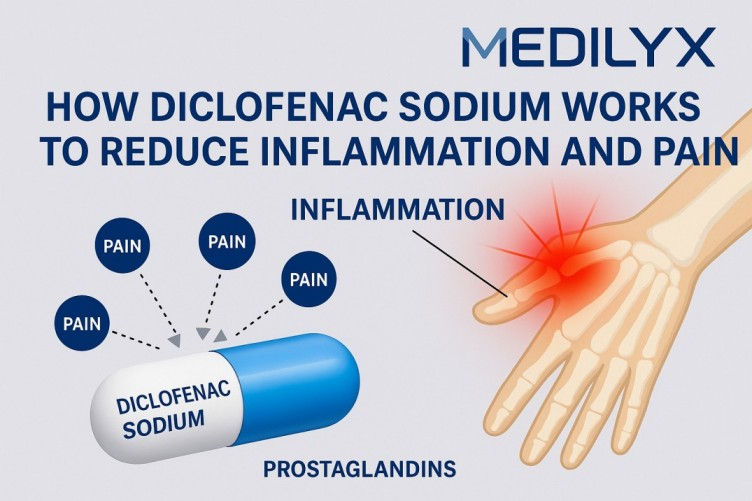
Diclofenac sodium works mainly by blocking the production of prostaglandins—substances in your body that promote inflammation and pain. When tissues sustain damage or become inflamed, the body generates more prostaglandins, which raises pain and swelling levels.
Diclofenac sodium inhibits cyclooxygenases (COX-1 and COX-2), the enzymes responsible for making prostaglandins. By doing so, it helps reduce both inflammation and pain. Notably, research shows that diclofenac is around 50% more effective at inhibiting COX-2 compared to COX-1, which minimizes gastrointestinal side effects often linked to traditional NSAIDs.
The Role of Cyclooxygenases (COX)
Understanding the role of cyclooxygenases is key to grasping how diclofenac sodium operates. These enzymes have two major forms:
COX-1: Produces prostaglandins that help protect the stomach lining and support kidney function.
COX-2: Activated primarily during inflammation or injury, making it vital for the pain response.
Diclofenac sodium selectively targets COX-2 more than COX-1, providing effective pain relief while limiting gastrointestinal complications, which occur in approximately 25% of patients taking traditional NSAIDs.
Benefits of Using Diclofenac Sodium
Diclofenac sodium offers several compelling benefits for those battling chronic pain and inflammation:
Effective Pain Relief: Many users experience relief within 30 minutes of taking diclofenac sodium. This fast action allows individuals to engage in daily activities with less discomfort. In one study, 75% of participants reported significant pain reduction after a week of treatment.
Inflammation Reduction: By effectively blocking prostaglandin production, diclofenac sodium tackles the root cause of many pain conditions, helping to decrease swelling and tenderness.
Long-lasting Effects: Depending on the formulation, effects can last from 8 to 12 hours, providing extended relief throughout the day.
Varied Formulations: Available as tablets, topical gels, and creams, diclofenac sodium can be tailored to meet individual preferences and lifestyle requirements.
Common Uses of Diclofenac Sodium
Doctors commonly prescribe diclofenac sodium for a range of conditions, including:
Osteoarthritis and Rheumatoid Arthritis: For individuals suffering from these chronic conditions, diclofenac sodium can significantly ease joint pain and stiffness, often improving mobility by over 30% in regular users.
Acute Pain Conditions: It is effective for treating acute pain resulting from injuries, surgeries, or dental procedures.
Gout Attacks: Diclofenac sodium can help manage pain and swelling in those experiencing gout flare-ups, with many users noting a reduction in symptoms within 24 hours.
Menstrual Pain: A considerable number of women find relief from dysmenorrhea symptoms through the use of diclofenac sodium.
How to Use Diclofenac Sodium Safely
To reap the benefits of diclofenac sodium while minimizing risks, keep these guidelines in mind:
Follow Dosage Instructions: Always stick to the prescribed dosage and timings recommended by healthcare providers.
Monitor for Side Effects: Some may experience gastrointestinal discomfort, headache, or dizziness. If these symptoms arise, it is crucial to notify a healthcare professional.
Consider Drug Interactions: Discuss any other medications with your healthcare provider, as diclofenac sodium may interact with certain drugs, including blood thinners and other NSAIDs.
Avoid Prolonged Use: Long-term usage can lead to kidney or liver function issues. Regular check-ups are advisable for those on extended treatment regimens.
Potential Side Effects of Diclofenac Sodium
While not everyone will experience side effects, it is crucial to be aware of potential issues:
Gastrointestinal Issues: Users may encounter nausea, diarrhea, or ulcers. Taking diclofenac with food can help mitigate these effects.
Kidney or Liver Changes: Long-term use may impact these organs, necessitating regular blood tests to monitor function.
Cardiovascular Risks: Some studies suggest that prolonged use may elevate the risk of heart attack or stroke. Those with pre-existing heart conditions should use diclofenac sodium cautiously.
Who Should Avoid Diclofenac Sodium?
Certain individuals should avoid or use diclofenac sodium with caution:
Allergies to NSAIDs: Anyone with known allergies should not use diclofenac sodium.
Active Gastrointestinal Issues: People with a history of ulcers or gastrointestinal bleeding should steer clear of this medication.
Severe Heart Disease: Discuss alternatives with your healthcare provider if you have significant heart issues.
Lifestyle Modifications to Complement Diclofenac Sodium
Combining diclofenac sodium with healthy lifestyle changes can enhance its effectiveness. Consider the following:
Physical Therapy: Engaging in targeted physical therapy can help build strength, improve flexibility, and alleviate pain.
Regular Exercise: Low-impact options like swimming, cycling, or walking can improve joint health and slow down inflammation.
Healthy Diet: A balanced diet rich in anti-inflammatory foods, including fruits, vegetables, omega-3 fatty acids, and whole grains, can boost the medication's effects.
Stress Management: Utilizing stress-reducing techniques like yoga or meditation can also help manage chronic pain levels.
The Importance of Consulting Healthcare Providers
Before starting diclofenac sodium or any new medication, consulting a healthcare professional is essential. A thorough evaluation will help determine if this medication is suitable for your specific health needs and medical history.
Final Thoughts
Diclofenac sodium is a powerful NSAID that provides substantial relief from pain and inflammation. Understanding how it works along with its benefits and potential side effects can empower individuals to make informed choices about managing their pain. It is crucial to consult healthcare providers for safe and effective use while integrating beneficial lifestyle changes that can enhance treatment outcomes. By equipping yourself with knowledge about diclofenac sodium, you can improve your quality of life and alleviate the burden of pain and inflammation.


Comments